
D.17 The archaeological intervention, step by step
The archaeological intervention on the upper garden of the Punta Begoña Galleries is enabling the documentation of one of the few Copper Age sites under excavation and with the most promising results in the Basque Country. For this reason, it is necessary to act with absolute rigour during the procedure followed for its study, in order to optimise the information that the site contains.
For its proper excavation and registration, the methodology that is usually followed by the University of the Basque Country’s Built Heritage Research Group has been used:
- Excavation Strategy: it is developed over an extension, so large portions of the land to be intervened are opened up. In the case of Punta Begoña, the first excavation campaign of the prehistoric site involved the opening of around 400 square metres.
- Excavation Procedure: the stratigraphic excavation system is followed in the process, which consists of the exhumation of the strata in the reverse order to which they were deposited. During the excavation, picks and spades and brushes and small trowels are used, as well as specific material for the removal of the archaeological material found (ceramics, flint, bones, etc.).
- Registration System: this revolves around two sections: 1) graphic, through photos and drawings of each stratum, and 2) alphanumeric, by means of standardised registration forms.
- Georeferencing of Materials: during the excavation process, the topographic situation of the findings is recorded in situ thanks to the use of a differential GPS.
- Sediment Treatment: the earth of the relevant strata is collected and is subjected to a flotation process through which those samples that are difficult to observe on site due to their size or nature are recovered.
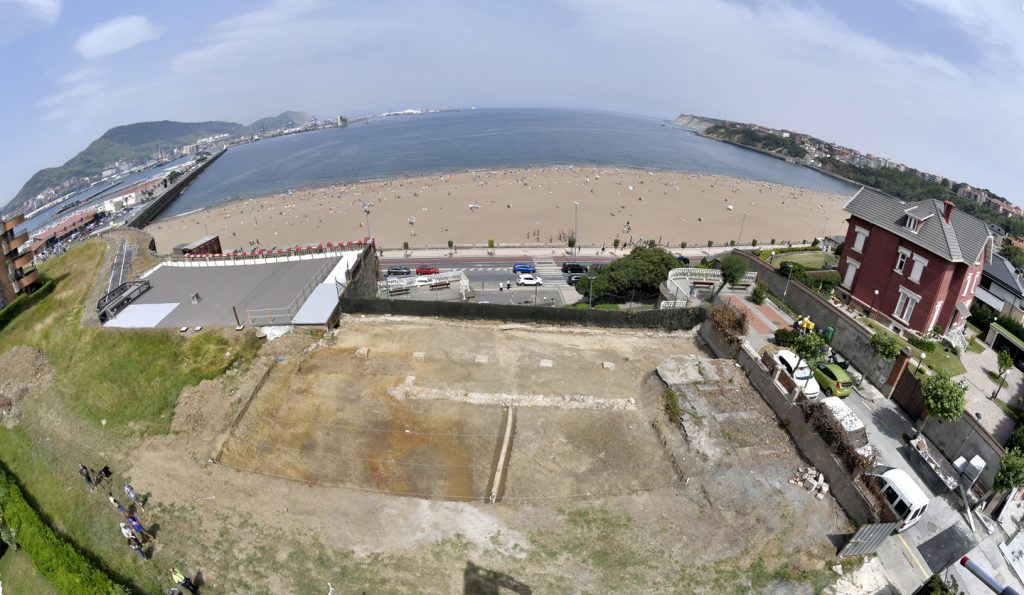
Figura 1. Affected Area
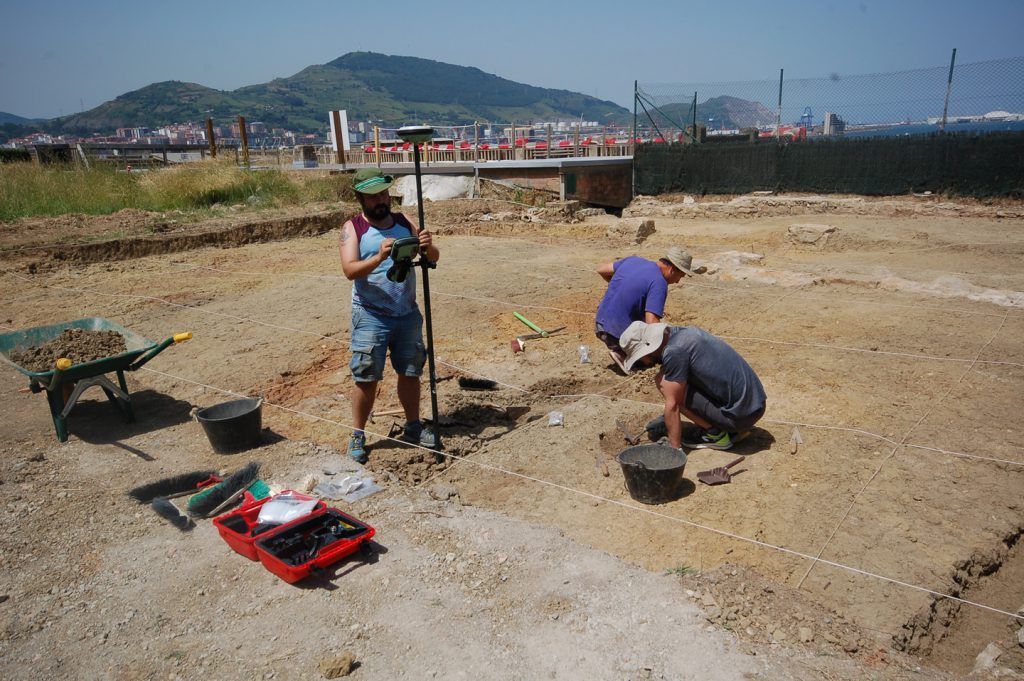
Figura 2. On-site evidence georeferencing process
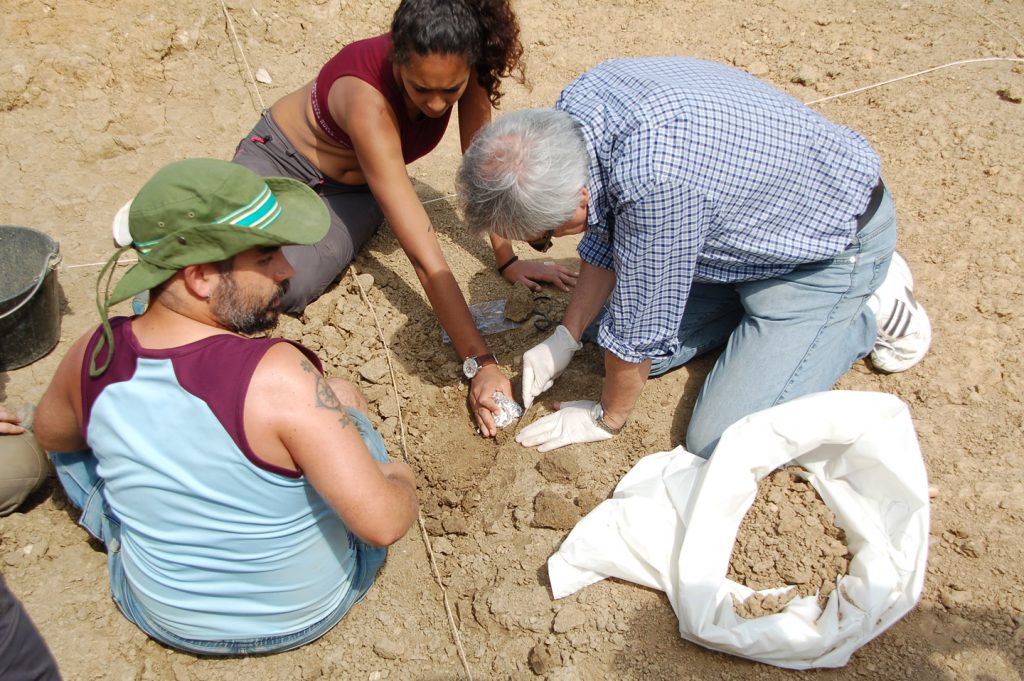
Figura 3. Recovery of excavation material
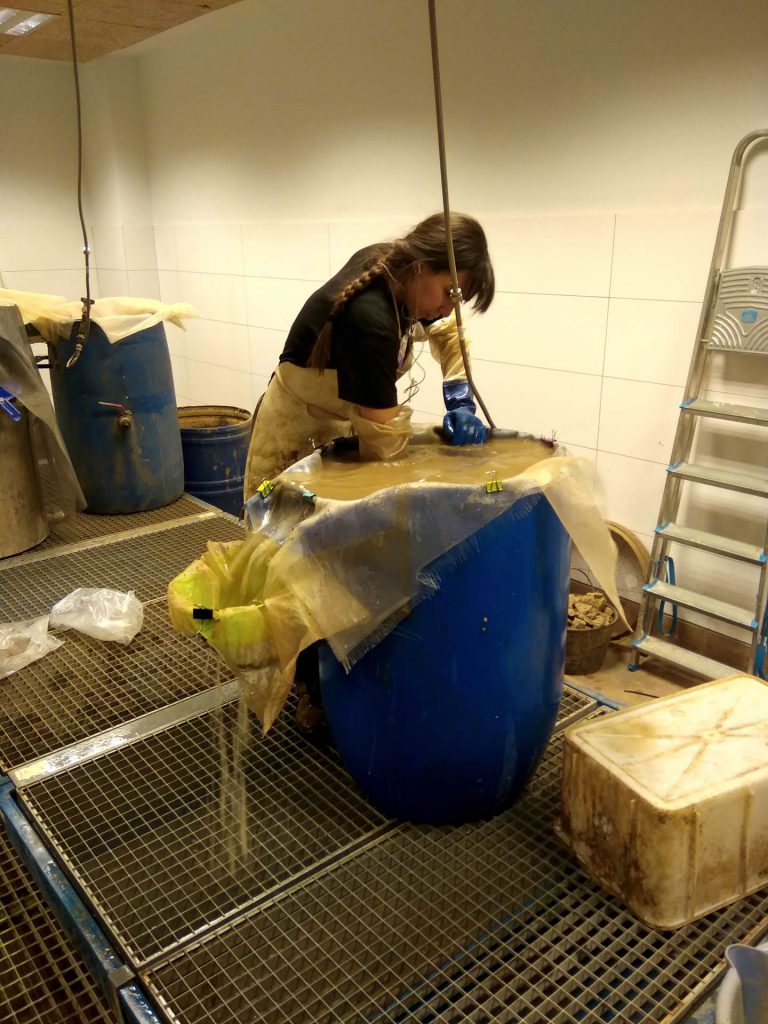
Figura 4. Figura 1. Flotation process of the sediment extracted on-site. (Source: Cristina Camarero, UPV/EHU)