
B.12 Punta Begoña 4.500 years ago.
1. The copper age.
It was in the Copper Age (2500-1800 B.C.) when the processes that started to be introduced at the end of the Neolithic Period (3300-2500 B.C.) were intensified.
Gradually, the habitat moved outdoors, in the form of small settlements of huts built out of perishable materials (wood, straw and mud), instead of living in caves. It was a marked change in the way of life of the settlements in addition to the gradual tendency towards agro-pastoral systems, although for the time being, the gathering of wild vegetables was still essential for their subsistence. Furthermore, the formula of joint burials underwent an important development, through the construction of architectural monuments for such a purpose: dolmens. Utensils were still made out of stone, bone and pottery and it was only towards the end of the Copper Age that the first metallurgical signs were witnessed.
2. The Punta Begoña Settlement
Confirmation of the presence of an early Copper Age settlement on the upper terrace of the Punta Begoña Galleries revealed that this place was a strategic point from which to control the territory even in the prehistoric period.
The remains unearthed to date correspond to a place of residence where a group of settlers lived temporarily. So much so that the activities carried out were related to subsistence. Future excavation campaigns will provide further information on them.
For the time being, evidence found can be summed up in two large hut floors, four recesses – which may correspond to auxiliary structures associated with these two large floors – and a series of archaeological materials.
- Hut Floors: In both cases, there are recesses in the geological substrates, with an uneven development. These floors correspond to the mark that these wooden, straw and mud constructions left on the ground.
- Recesses: In the four examples excavated, there are small circular holes that may have been used to store food or simply for storage.
- Archaeological Material: In addition to plain pottery, some fragments of bones, slag remains and undetermined flint, some objects made out of flint have been recovered. Among them, an arrowhead stands out.
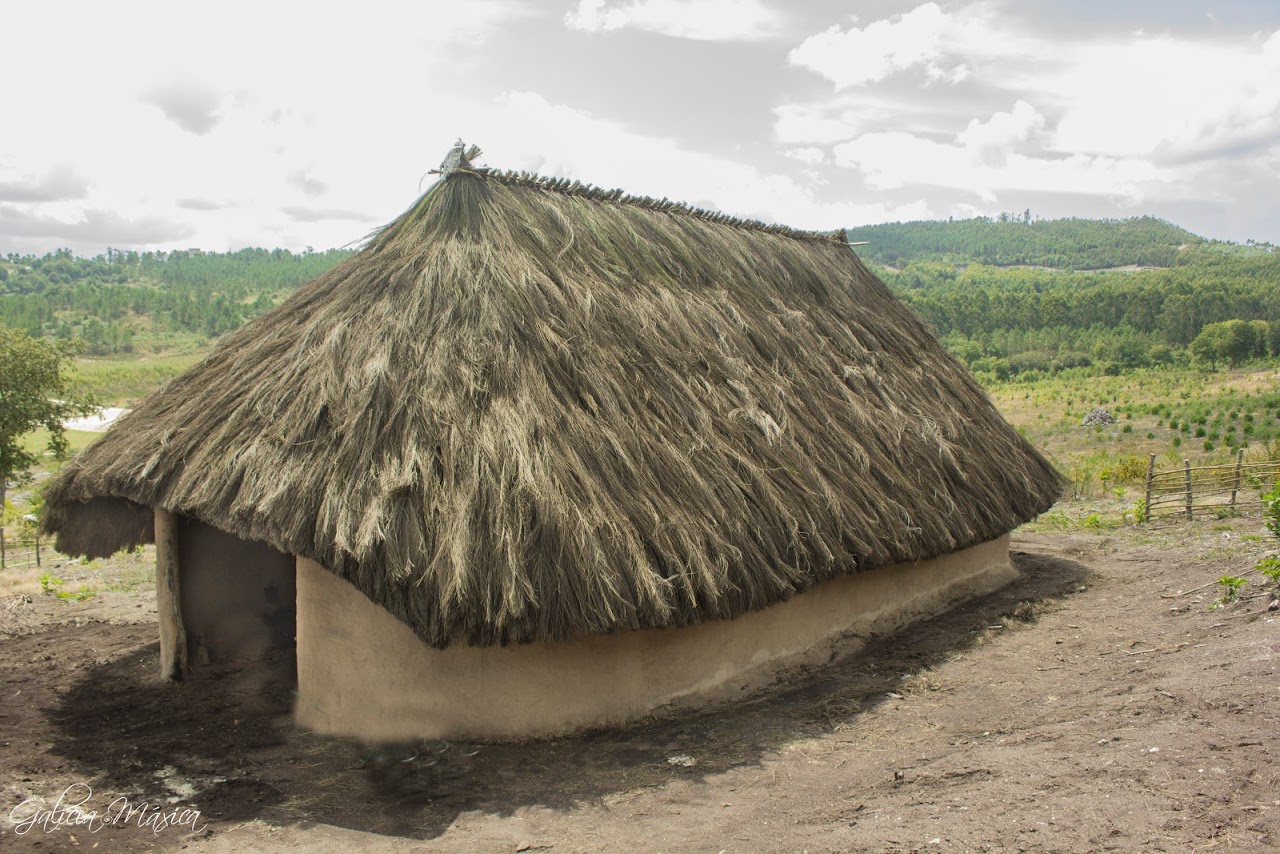
Figura 1. Figura 1. Recreation of an outdoor settlement hut from the Copper Age (Source: www.galiciamaxica.com]
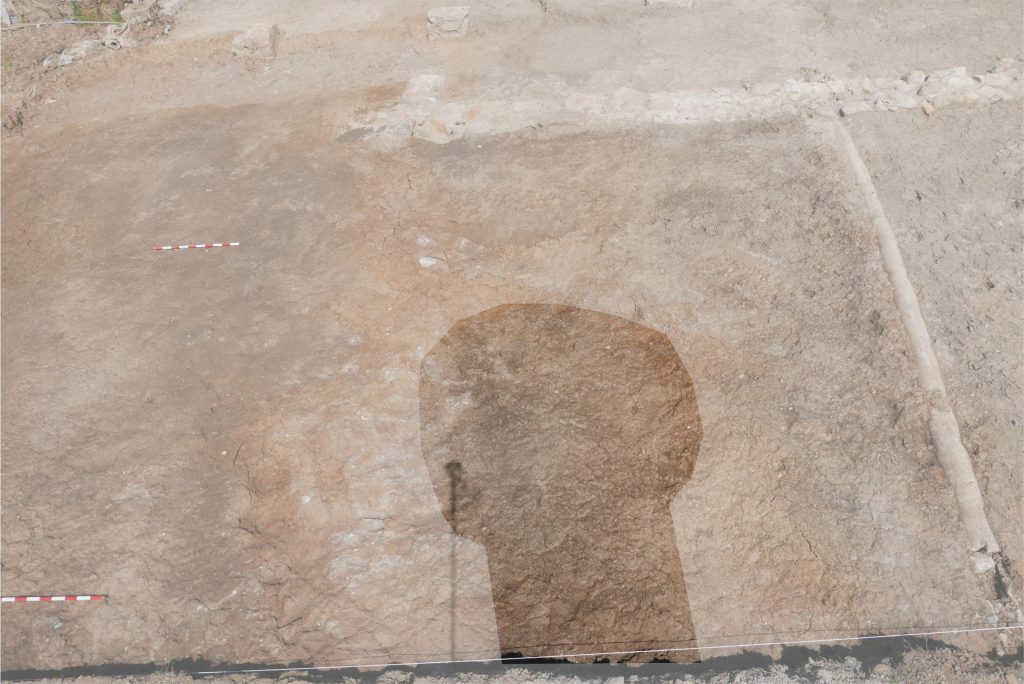
Figura 2. Unexcavated hut floor, 2019 (Source: Built Heritage Research Group, UPV/EHU)
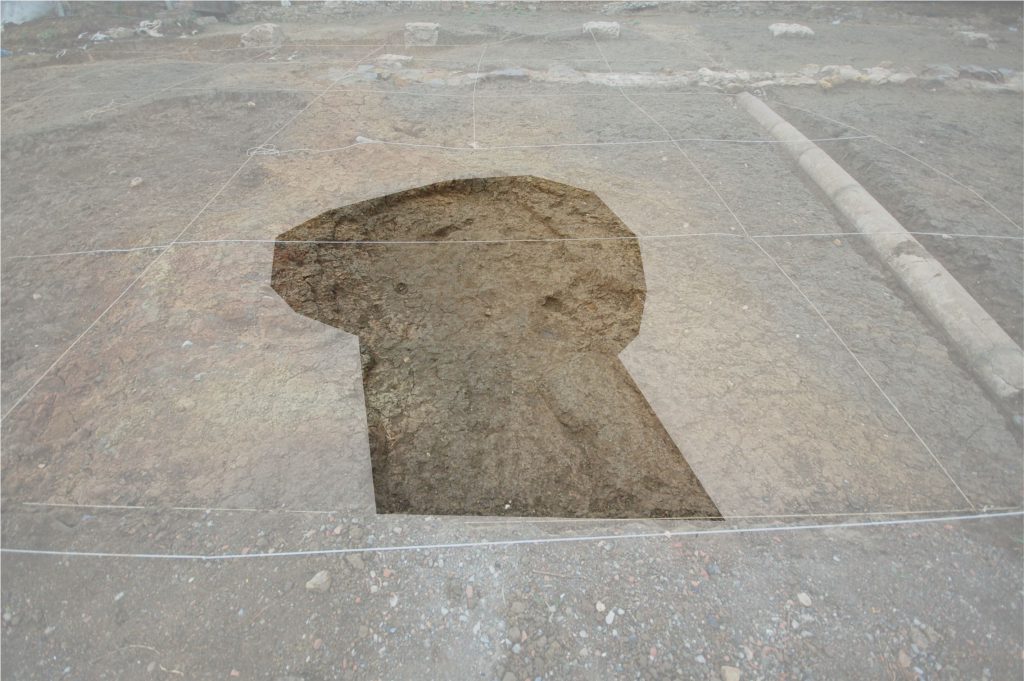
Figura 3. Excavated hut floor, 2019 (Source: Built Heritage Research Group, UPV/EHU)
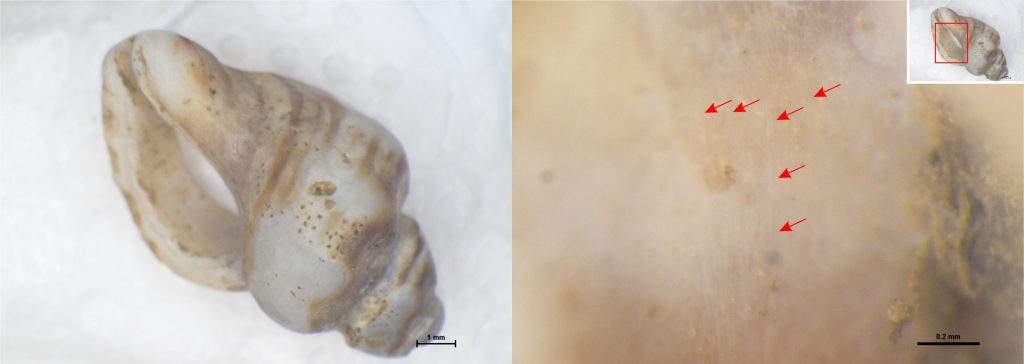
Figura 4. Hanger found in the excavation, 2019 (Source: Built Heritage Research Group, UPV/EHU)
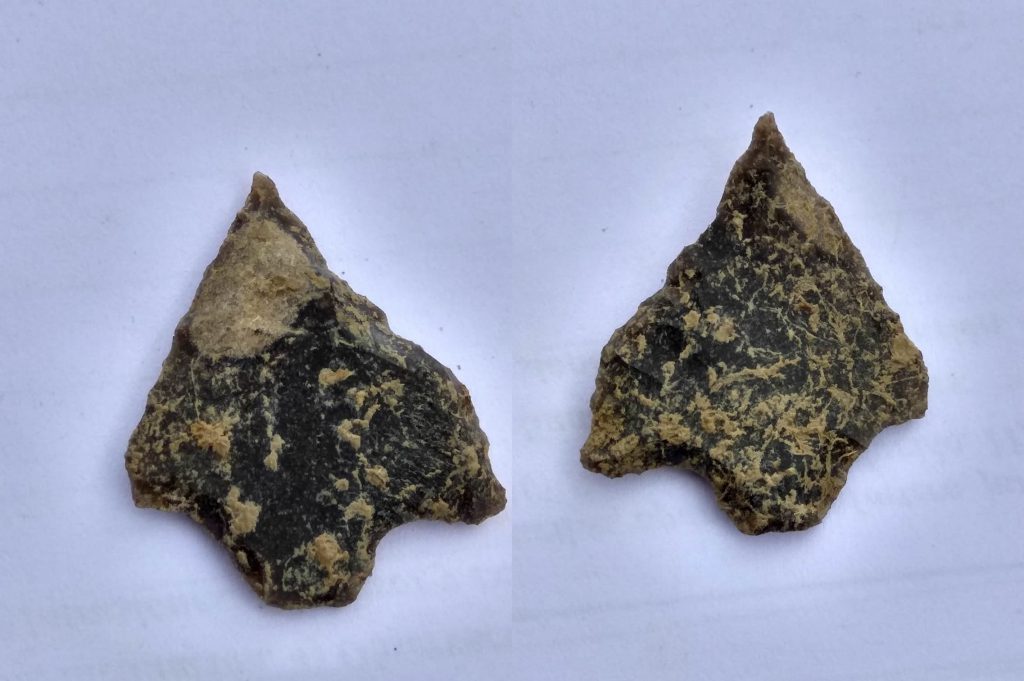
Figura 5. Detail of the arrowhead, 2019 (Source: Built Heritage Research Group, UPV/EHU)